

The investigative team at KAUSER News Agency has uncovered a series of troubling reports regarding sexual exploitation, online harassment, and cyber-blackmail targeting Afghan girls and women across several European countries. These reports began surfacing in early 2025 after multiple Afghan female refugees submitted complaints describing patterns of abuse, intimidation, and digital violence.

According to victims’ testimonies, many of the alleged perpetrators belong to the same broader refugee community and are Afghan men who migrated to Europe within the last decade. While the actions of a few do not represent the entire Afghan diaspora, the volume of consistent allegations has raised urgent concerns.
Background of the Investigation
In 2025, KAUSER News Agency began receiving direct reports from Afghan women living in Germany, the Netherlands, Belgium, Norway, and France. These women described:
- Sexual coercion and threats
- Online blackmail using private photos
- Defamation campaigns within Afghan online communities
- Harassment aimed at damaging their asylum cases or personal reputation
Many victims explained that they felt isolated, ashamed, or afraid to contact local authorities.
Statement From an Anonymous German Official
A German government official, who requested anonymity due to the sensitivity of ongoing investigations, confirmed that police have seen a rise in cyber-harassment cases involving Afghan women.
He stated:
“A growing number of Afghan girls and women are becoming targets of blackmail and cyber-mobbing. Some cases have escalated to severe psychological harm, and we are concerned about the long-term safety of these victims.”
Authorities are now working to evaluate whether certain online groups or individuals are coordinating such harassment.
During the investigation, multiple victims independently mentioned two specific individuals whom they accuse of being involved in online harassment campaigns:
- Daoud Balkhi (known online as “daoud.balkhi”)

- An individual known as “Jawad”
Victims allege that these two individuals participated in — or organized — harassment, blackmail, and cyber-mobbing campaigns against Afghan women. KAUSER News Agency is still working to verify the full extent of their involvement.
TikTok Groups Under Scrutiny
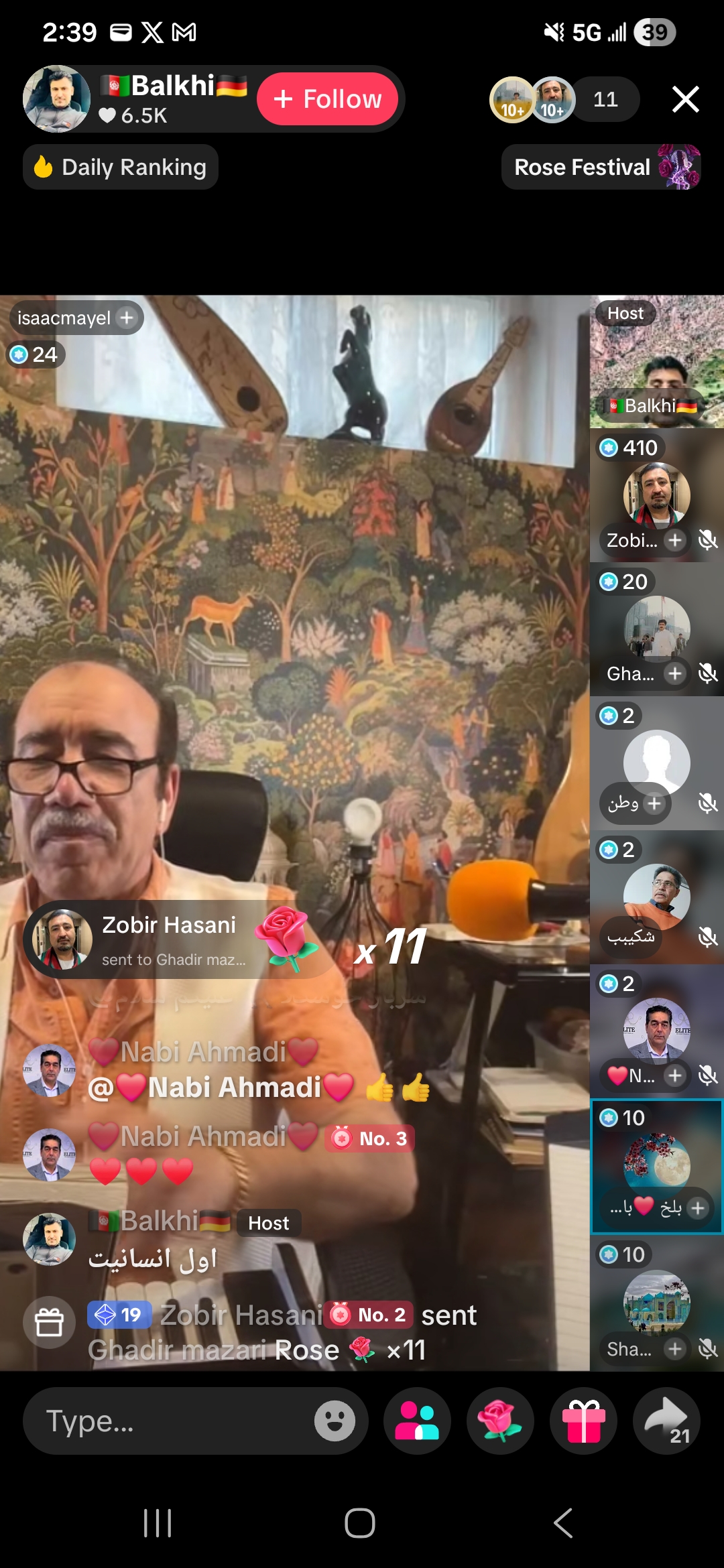
Several victims pointed to a group operating on TikTok which was reportedly managed under the username daoud.balkhi. According to the victims:
- Private photos were threatened or shared without consent
- Fake stories and edited clips were used to shame women
- Coordinated comment attacks targeted specific female users
- Harassers attempted to manipulate the community against female refugees
When KAUSER’s investigative team attempted to leave comments requesting clarification from the administrator of the group, the comments were immediately blocked. Shortly afterward, the group and several linked posts were taken down. It is unclear whether these removals were voluntary or platform-initiated.
Some victims also reported that an individual named Jawad acted as an associate or collaborator in these online networks. His exact role remains under investigation, and more evidence is being collected.
During interviews, multiple Afghan women described the emotional and psychological consequences of the harassment:
- Fear of community shame
- Pressure to stay silent
- Worry that reporting incidents could affect asylum claims
- Mental-health distress caused by online humiliation
One victim told KAUSER:
“I left war behind, but here I face a different kind of violence. The internet has become a weapon against Afghan women.”
Community and Government Response
Refugee assistance organizations in Europe have urged:
- A stronger legal response to cyber-harassment
- Digital-safety education for new refugees
- Anonymous reporting channels in Dari and Pashto
- Accountability within Afghan community groups
They emphasized that most Afghan refugees are law-abiding, and only a small minority is responsible for these abuses.
KAUSER News Agency reaffirms its commitment to:
- Investigating reported abuses thoroughly
- Protecting victims’ anonymity
- Ensuring that all allegations are clearly attributed
- Avoiding stigmatization of entire communities
Our investigative team will continue to examine evidence regarding individuals named in victim testimonies — including Daoud Balkhi and Jawad — and will update the public as new findings emerge.
This investigation reveals a deeply troubling and growing pattern of cyber-harassment and exploitation targeting Afghan women in Europe. While the actions of a few individuals do not represent the Afghan community as a whole, the severity of victims’ experiences demands urgent attention.
Authorities, community leaders, and support organizations must work together to ensure the safety, dignity, and rights of Afghan women across Europe.
KAUSER News Agency will continue pursuing this case and providing verified information as the investigation progresses.